Composition Summer Camp at The Royal Conservatoire of Scotland
Earlier this year, I got a visit from the Branksmeister in the editing dungeon. She came in all like “hey up Nico, like I get you do the music for our shows but what if we levelled you up further like a croissant that you put jam on” and I was like “fair plays there duck, I know this place that’s proper legit” and so I was granted a week pass out of the editing dungeon to go play at a summer camp.
A notoriously hard course to get into, but by jove did I manage to get in by the hairs on my chin. You see, i’m good at making songs, very good, you could say one of the best, because I do, but in the eyes of the academic world, my credentials hang onto my solitary qualification that they recognise: Grade 8 music theory, paired alongside an entry portfolio for them to look over whilst they have brandy and talk about many intellectual things like the benefits of 8 violins, to 7 violins, and what really is behind Beethoven’s silky grey hair.
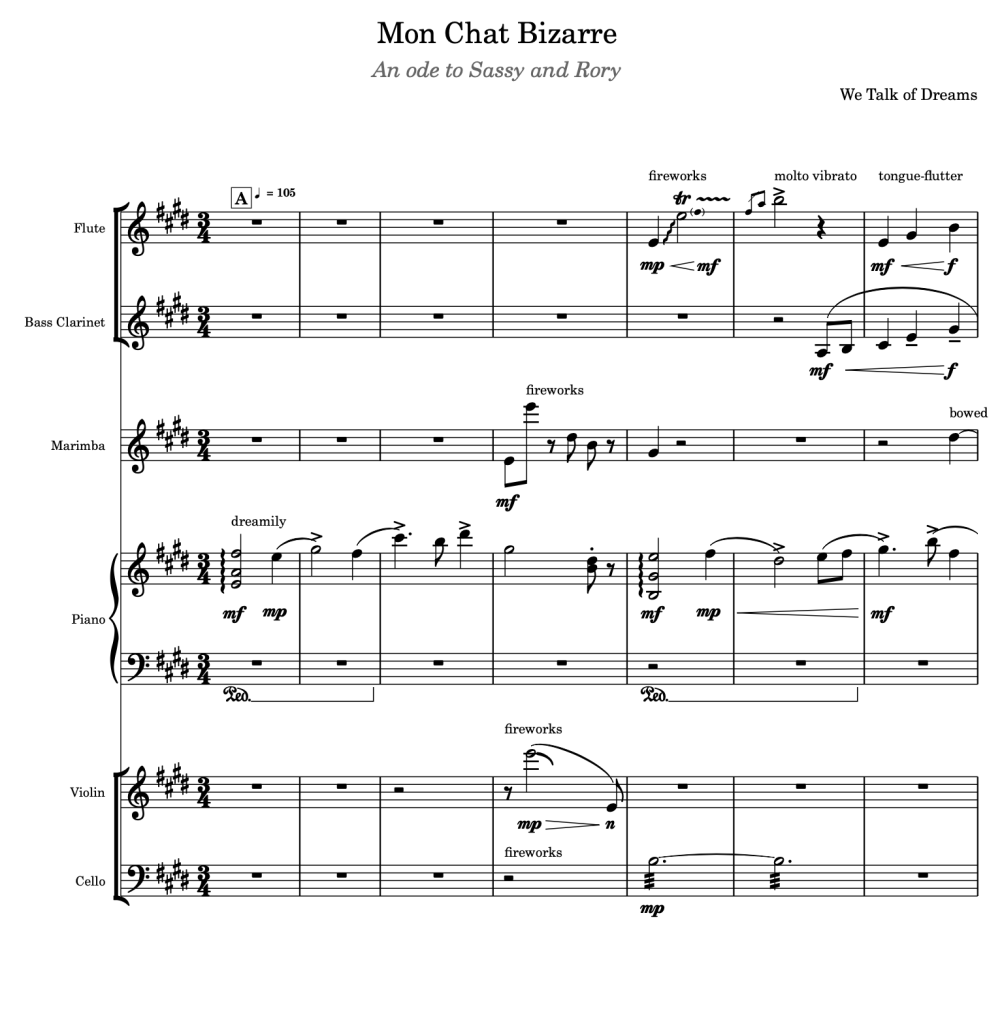
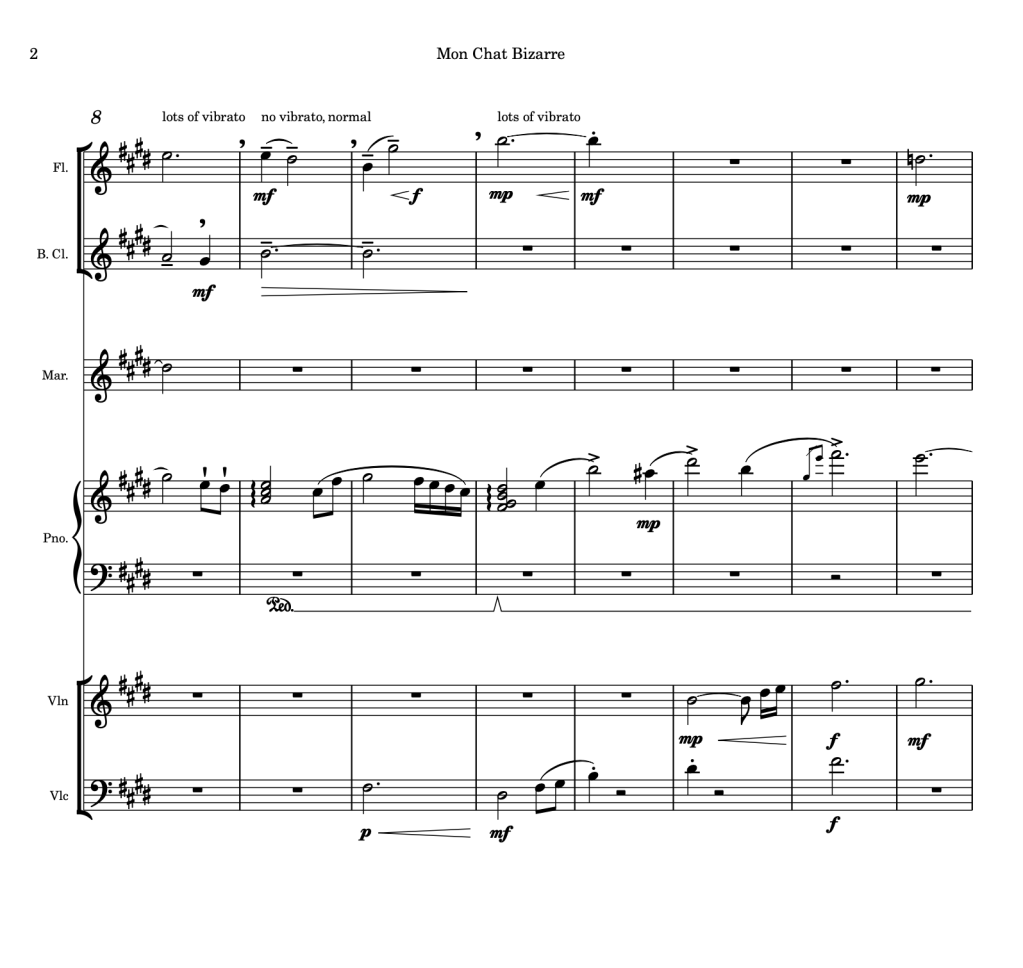
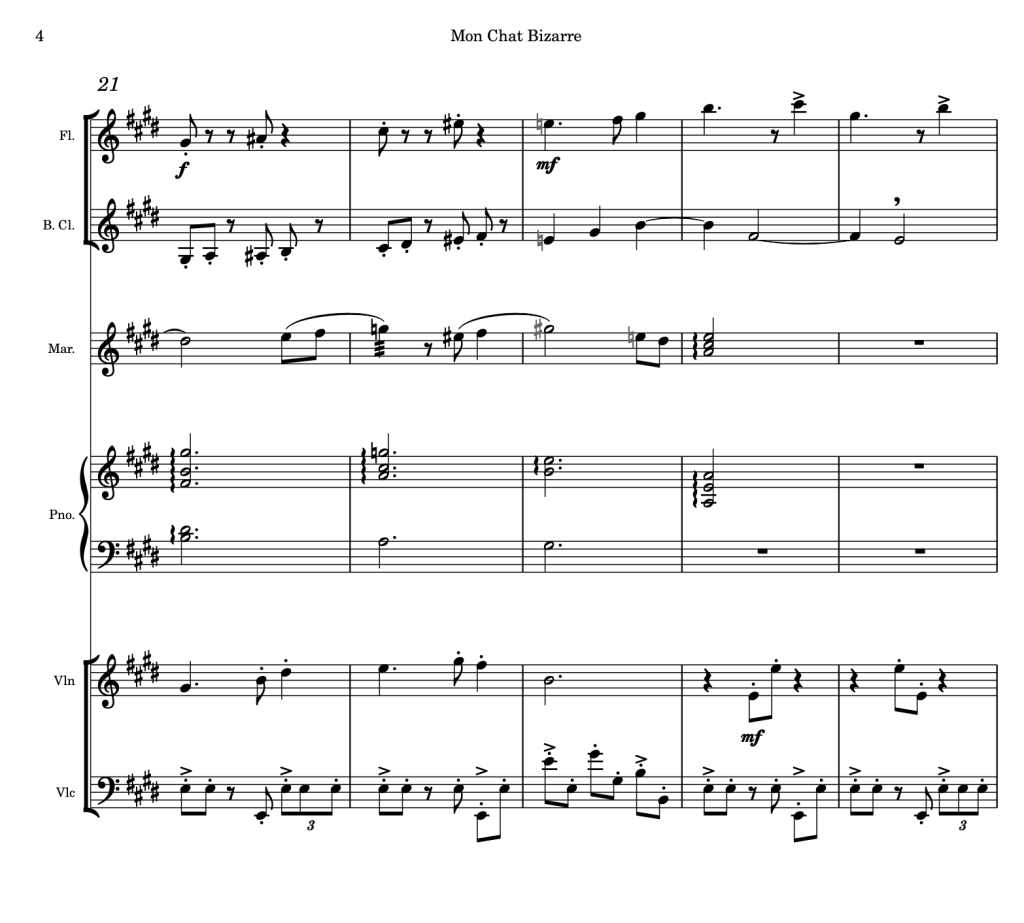
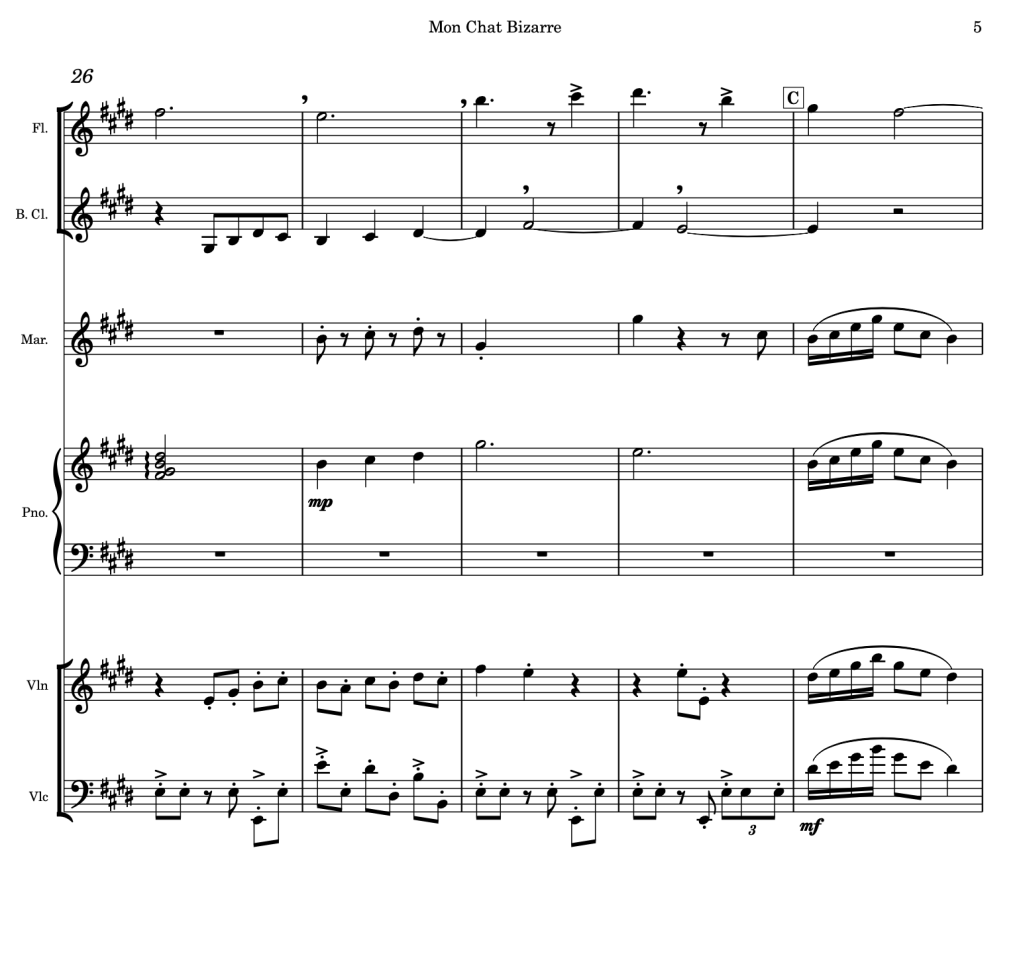
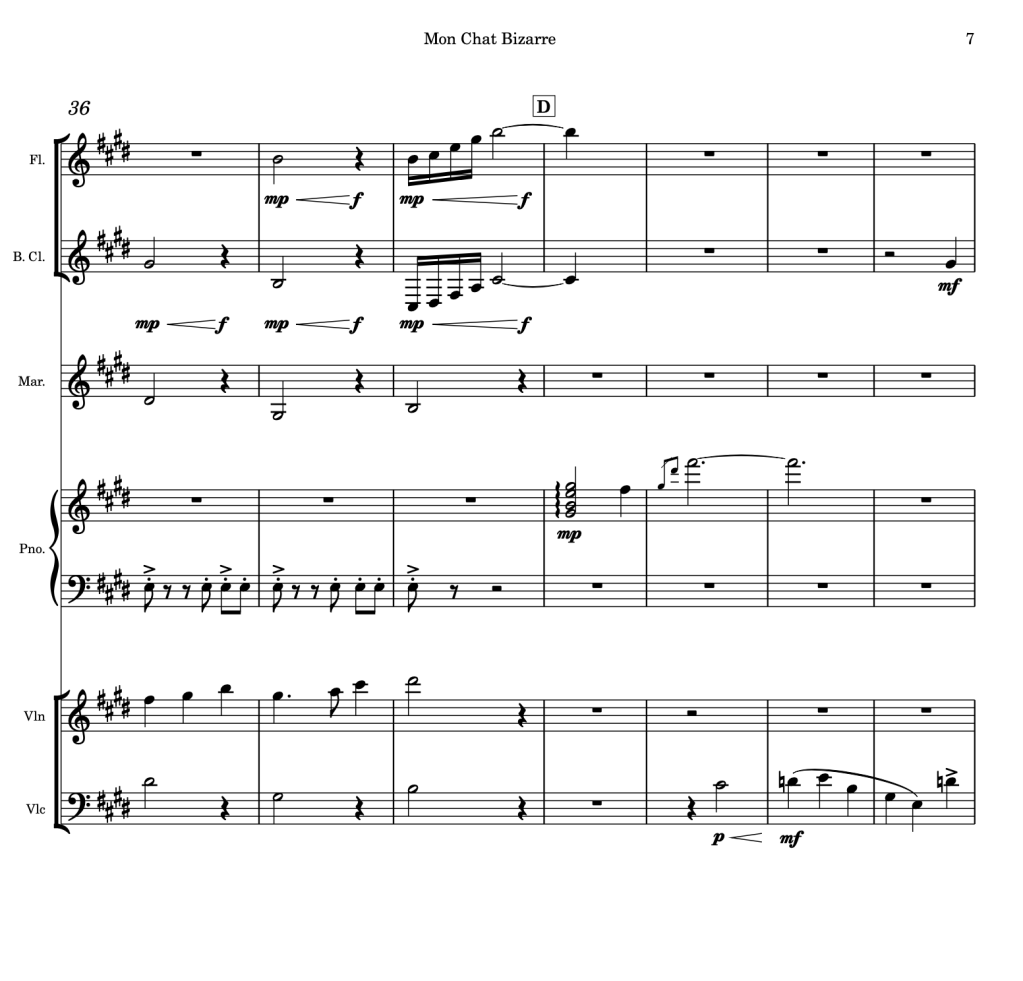
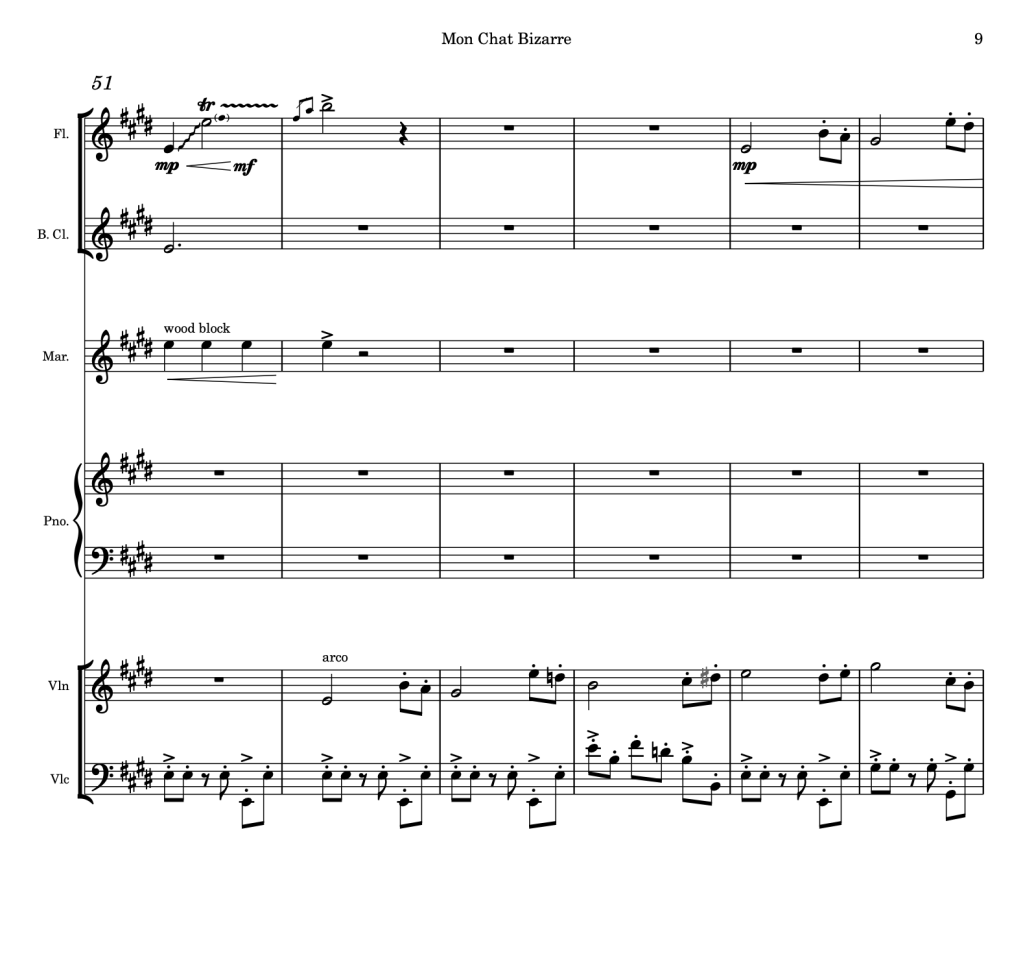
To break it down, the course was 5 days comprising of a daily masterclass, a 1-2-1 intensive session with the composition staff, 5 hours of writing, and a 2-hour workshop where musicians would play and critique your work. The end goal? To create a complex piece for a small chamber ensemble orchestra (2 strings, 2 woodwinds, 1 percussion (playing 7 instruments), and 1 pianist).
This is what Day 1 sounded like:
Creating whilst keeping my voice
With these sorts of courses, especially those in an academic setting, it is incredibly easy to lose your own voice, and settle down into what would work easiest and sound the most appetising within the setting. RCS works differently, they know this trap and actively push you hard to bring something new, and to develop and expand your own musical vocabulary. My style is music that feels personal to the listener. Music that feels like a memory, tinged in nostalgia. I usually focus on how I record versus solely relying on the harmony and melody. I couldn’t rely on this for the course as it’s for live musicians where I have no control over the acoustics of the hall or the microphone settings. So I changed scope.
I started off with something akin to a love ballad, and changed it to something inspired by cats chasing and playing with each other around a house. The spontaneous nature of cats was something I was excited to replicate in music. As such I had instruments play passages that weren’t related to the melody, but were to replicate things like fireworks, jumping, running downstairs, and bouncing from happy and joyous, to something more stand-off-ish. To give more freshness to the piece I made sure the melody bounce from player to player, and constantly changed how many people were playing the melody.




Conclusion
I have expanded my skillset tremendously from this intensive course, and feel much more readily adaptable to the many genres that Rusty Quill produce, not just in terms of instrumentation, but also of how to adapt melody and harmony into a way that fits underneath voices when need to, and when to pop out as a transition between scenes. It has also given me a vast understanding of how to record live players, and to inspire and adapt melodies and character themes to the necessities of the show.
My work is never done of course, as you can always learn more, but this is a succesful step in the ladder that will lead me onto bigger and better things.
Thank you for letting me out of the editing dungeon!
Neeks

 We Talk of Dreams